
Comparing Pool Deck Materials: Pavers, Concrete, Wood & Composites
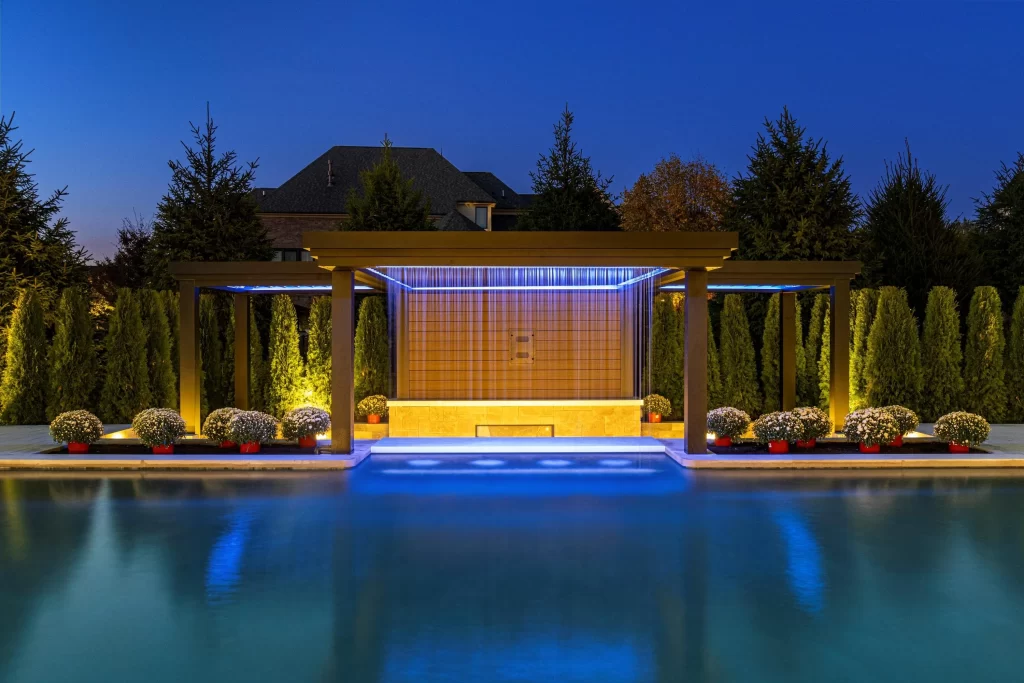
Best Pool Deck Materials: Pavers, Concrete, Wood, and Composites — A Practical Guide for Michigan Homeowners
Choosing the right material for your pool deck shapes your yard’s look, safety, and long-term maintenance. In Michigan’s variable climate, pavers, concrete, wood, and composites each have trade-offs in durability, upkeep, and cost. This guide reviews the strengths and limitations of each option so you can match a deck to your lifestyle, climate, and budget. We cover features, expected longevity, care needs, cost ranges, and safety considerations to help you decide confidently.
Key Takeaways
- The right deck material boosts both curb appeal and everyday use.
- Pavers are versatile, durable, and drain well around pools.
- Concrete offers many finishes and stands up to heavy use.
- Wood brings warm, natural appeal but needs steady maintenance.
- Composite decking mimics wood with less upkeep and better moisture resistance.
- Pavers and natural stone tend to provide strong slip resistance for pool zones.
- Composite boards are increasingly popular for their low maintenance and wide style options.
- Material and installation costs vary—pavers and composites often cost more up front.
- Regular care and proper installation are key to long-lasting, safe pool decks.
What Are the Key Features of Popular Pool Deck Materials?
To choose well, start by understanding what each material does best. Here is a quick rundown of common pool deck choices and their defining traits:
- Pavers: Available in many shapes, sizes, and colors, pavers let you build creative patterns. They’re durable, easy to repair, and their joints help water drain away from the pool.
- Concrete: From stamped to stained or polished finishes, concrete can be customized to match your style. It’s durable and suits high-traffic outdoor spaces.
- Wood: Wood delivers a classic, natural look that softens outdoor spaces. Expect to invest in sealing and maintenance to prevent rot and splinters.
- Composites: Made from wood fibers and recycled plastics, composite decking looks like wood but resists fading and moisture, reducing upkeep over time.
Tango Pools, a custom pool design and construction company, focuses on premium outdoor living solutions and can help Michigan homeowners select the materials that best meet their needs.
What Are the Durability and Maintenance Characteristics of Pavers?
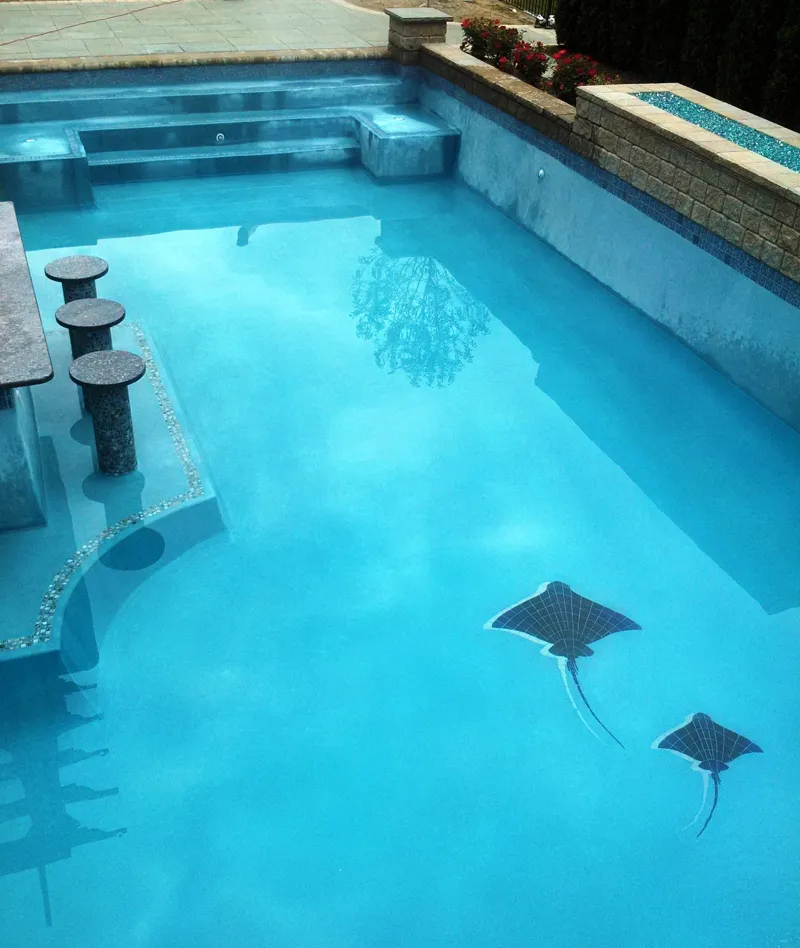
Pavers are durable and relatively low-maintenance. Built to handle foot traffic and seasonal changes, they’re reliable for pool surrounds. If one piece is damaged, you can replace individual pavers instead of redoing the entire deck.
Resistance to Cracking
Pavers resist large cracks because each unit sits on a compacted base. Unlike a single poured slab, they tolerate minor ground shifts and temperature swings without breaking across the surface.
Ease of Maintenance
Keep pavers looking good by sweeping regularly and pressure washing occasionally. Their drainage-friendly joints reduce standing water and help prevent moss and mildew growth.
Design Flexibility
Pavers offer extensive design options—mix colors, shapes, and patterns to create a custom look that highlights your pool area.
How Do Concrete Pool Decks Vary in Finish and Longevity?
Concrete is adaptable: it can mimic stone or brick or be finished smooth for a modern look. Lifespan depends on mix quality and installation; a well-installed concrete deck can last for decades.
Types of Finishes Available
Finishes include stamped textures, stains, polished surfaces, and exposed aggregate. Each choice changes the deck’s character and affects slip behavior.
Factors Affecting Longevity
Longevity depends on a proper mix, effective drainage, and correct installation. Poorly prepared bases or inadequate sealing commonly cause premature wear.
Maintenance Needs
Concrete is durable but benefits from periodic sealing to protect against stains and surface wear. Routine cleaning and timely repair of hairline cracks extend its life.
How Do Wood and Composite Decking Compare for Pool Areas?
Wood and composite decking each have pros and cons for pool use. Your choice depends on how much maintenance you want versus the look and feel you prefer.
Durability
Natural wood offers a comfortable, classic surface but is vulnerable to moisture, rot, and insects without regular care. Composite boards are engineered to resist moisture and color loss, making them a lower-maintenance alternative for poolside use.
Although composites are praised for durability, some homeowners and professionals still prefer real wood for its natural feel and lower embodied energy when sourced responsibly.
Wood vs. Composite Decking: Durability, Comfort & Sustainability
Summer gatherings are at the heart of backyard living, and many people find that a real wood deck simply feels better underfoot. With proper sourcing and maintenance, wood can be a sustainable, long-lasting option that offers comfortable thermal properties and a classic look. Composite decking promises low upkeep and consistent performance, but wood retains advantages in comfort and environmental impact when managed responsibly.
Maintenance Requirements
Wood requires ongoing attention—cleaning, sealing, and occasional sanding—to stay safe and attractive. Composite decking reduces routine work: basic cleaning with soap and water usually keeps it looking good.
Cost Comparison
Wood can be less expensive to buy initially, but upkeep costs add up. Composites cost more up front but can save money and effort over time.
What Are the Pros and Cons of Wood Pool Decks?
Wood decks transform a pool area with warmth and natural texture, but they require commitment.
Aesthetic Appeal
Wood offers a warm, inviting palette and can be stained or painted to match your design. It complements landscapes and creates a relaxed, organic feel.
Maintenance Requirements
To avoid rot and splinters, inspect wood regularly and reapply sealant or stain annually or as recommended for your species and exposure.
Cost Considerations
Initial costs for wood may be attractive, but factor in long-term maintenance and possible replacement boards when budgeting.
Why Choose Composite Decking for Pool Surrounds?
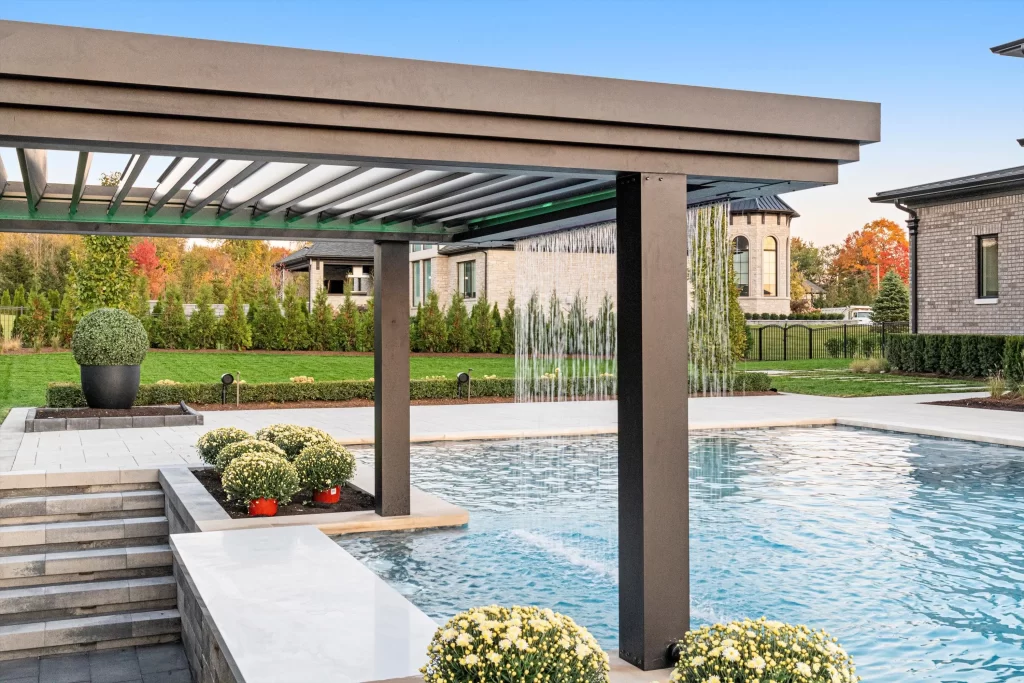
Composite decking blends the look of wood with significantly less upkeep, making it a sensible choice for busy homeowners and pool settings.
Low Maintenance
Composite boards don’t need staining or sealing. Routine cleaning with soap and water removes dirt and keeps the surface fresh.
Resistance to Fading
High-quality composites include UV stabilizers that help preserve color and prevent premature fading in sunny spots.
Variety of Styles
Composites come in many colors and textures, from wood-grain finishes to smooth contemporary profiles, so you can match nearly any design aesthetic.
What Are the Cost Differences Among Pool Deck Materials in Michigan?
Budgeting a pool deck requires comparing material and labor costs. Below is a typical cost range per square foot and a simple durability overview for each material:
| Material | Cost per Square Foot | Durability Rating |
|---|---|---|
| Pavers | $10 – $20 | High |
| Concrete | $6 – $15 | Medium to High |
| Wood | $8 – $15 | Medium |
| Composites | $10 – $25 | High |
These figures are a starting point. Local labor rates, site prep, and finish choices will influence final costs.
How Do Installation and Material Costs Compare for Pavers, Concrete, Wood, and Composites?
Installation complexity affects total cost as much as material prices. Here’s a practical comparison to help estimate expenses:
- Pavers: Labor can be intensive because of base prep and pattern work, which raises installation costs—yet their longevity often offsets that investment.
- Concrete: Typically less expensive to install than pavers, though decorative finishes and proper base work can increase the price.
- Wood: Material costs might be lower initially, but custom designs and weatherproofing can make installation more involved.
- Composites: Higher material cost is common, but many composite systems are engineered for straightforward installation, which helps control labor costs.
What Are the Latest 2026 Cost Trends for Pool Deck Materials?
In 2026, demand for low-maintenance and eco-friendly materials is shaping prices. Composite options are becoming more competitively priced, and improvements in concrete production are making premium finishes more accessible. Expect continued interest in materials that balance aesthetics, durability, and environmental impact.
How Can Safety and Maintenance Influence Your Pool Deck Material Choice?
Safety is a top priority around water. Choose materials that minimize slipping and that you can maintain reliably.
Slip Resistance
Textured pavers and certain natural stones provide strong traction. Many composites also include slip-resistant finishes designed for wet environments.
Maintenance Frequency
Materials that avoid splintering, rot, or frequent resealing reduce hazards from degraded surfaces. Regular upkeep—cleaning, sealing, and repairs—keeps any deck safer over time.
Which Pool Deck Materials Offer the Best Slip Resistance?
Slip resistance matters more than style when selecting a pool surround. These options typically perform best:
- Textured Pavers: Surface texture and joint patterns give good grip underfoot.
- Natural Stone: Travertine, slate, and similar stones often provide natural traction.
- Composite Decking: Many brands produce slip-resistant profiles specifically for pool use.
What Are Effective Maintenance Tips for Each Pool Deck Material?
Proper maintenance extends deck life and keeps it safe. Follow these care steps for each material:
- Pavers: Sweep frequently and pressure wash as needed. Reset loose pavers and keep joints filled to preserve stability.
- Concrete: Clean regularly and re-seal every few years to guard against stains and surface wear.
- Wood: Inspect for rot and splinters and reapply sealant or stain annually or per manufacturer guidance.
- Composites: Wash with soap and water to remove dirt and algae. Avoid harsh chemicals that could damage the finish.
Following these routines will help your deck look better and perform safer for years.
Frequently Asked Questions
What factors should I consider when choosing a pool deck material?
Consider durability, upkeep, cost, and how the deck will be used. Think about slip resistance and how each material handles Michigan’s freeze-thaw cycles. Also weigh style preferences and whether you prefer low-maintenance materials or the look—and upkeep—of natural wood.
How does climate affect the choice of pool deck materials in Michigan?
Michigan’s cold winters and warm, wet summers challenge many materials. Choose options that tolerate temperature swings and moisture—pavers and composites typically handle freeze-thaw cycles better than untreated wood. Good drainage and proper installation are essential to avoid seasonal damage.
Are there eco-friendly options for pool deck materials?
Yes. Composite decking often uses recycled content, and permeable pavers reduce runoff and help recharge groundwater. Look for sustainably sourced wood and manufacturers with environmental certifications if minimizing impact matters to you.
What are the best practices for maintaining a pool deck?
Regularly sweep and clean surfaces, address stains promptly, and inspect for damage. Seal concrete as recommended, replace damaged pavers, and reapply protective finishes to wood on schedule. For composites, routine washing usually keeps them in good condition.
How can I enhance the safety of my pool deck?
Choose materials with good traction, maintain solid drainage to avoid standing water, and repair damaged areas quickly. Adding non-slip mats in high-traffic zones and keeping surfaces clean of algae and debris further reduces slip risks.
What are the latest trends in pool deck materials for 2026?
In 2026, homeowners favor low-maintenance, durable, and sustainable materials. Composite boards continue to rise in popularity, and advanced concrete finishes are becoming more affordable. There’s also growing interest in mixing natural elements like stone and responsibly sourced wood into contemporary designs.
Conclusion
Your ideal pool deck balances looks, safety, and upkeep. Pavers and composites offer long-lasting, low-maintenance solutions, concrete gives flexible design options, and wood delivers a timeless, natural feel if you’re willing to maintain it. Prioritize slip resistance and proper installation, and follow a routine maintenance plan to keep your deck safe and attractive season after season. Ready to plan your deck? Use these insights to narrow your choices and start designing a pool area that fits your Michigan lifestyle.