
Luxury Pool Finishes: Tile, Pebble & Plaster Options
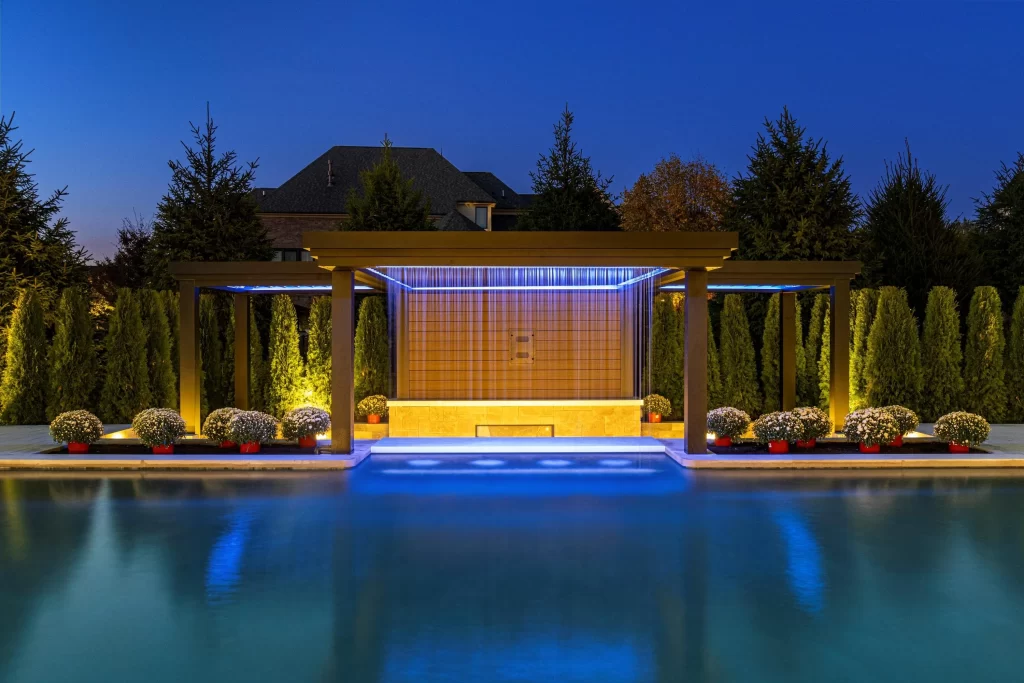
Luxury Pool Finishes: Tile, Pebble & Plaster Options for Michigan Homes
Choosing the right luxury finish turns a pool into a lasting focal point. For Michigan homeowners, surface selection must balance aesthetics, durability through freeze-thaw seasons, and realistic maintenance. This guide compares tile, pebble, and plaster finishes and highlights what to expect for upkeep, weather performance, and value.
Key Takeaways
- Luxury finishes improve both appearance and pool usability in Michigan yards.
- Glass tile gives vivid, low-fade color and cleans easily.
- Pebble finishes provide natural texture and slip resistance.
- Polished plaster offers a sleek look but needs more frequent care.
- Freeze-thaw durability and installation quality strongly affect lifespan.
- Material quality and installation complexity drive cost differences.
Luxury Pool Finishes for Michigan Homeowners
The right finish protects your investment and sets the backyard tone. Tile, pebble, and plaster each meet different design and maintenance needs; in Michigan, prioritizing materials and installations that tolerate temperature swings will reduce long-term repairs.
Tango Pools, a Michigan-based custom pool design and construction company, specializes in high-end finishes and outdoor living solutions tailored to local conditions, helping homeowners pick finishes that hold up to seasonal stresses.
1. Tile Finishes (Glass Tiles)
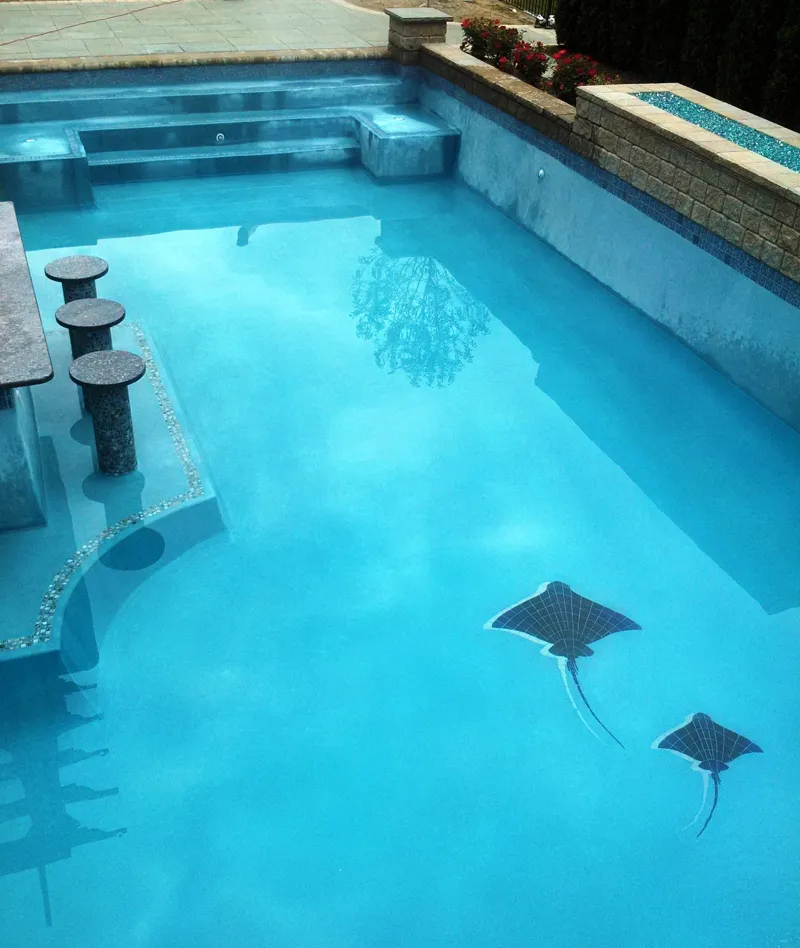
Glass tile creates a luminous, upscale water appearance and resists fading and staining. Maintenance is simple: regular gentle cleaning and grout checks. Glass tiles also allow detailed borders, mosaics, or full-surface designs for strong visual impact with long service life when installed correctly.
2. Pebble Finishes
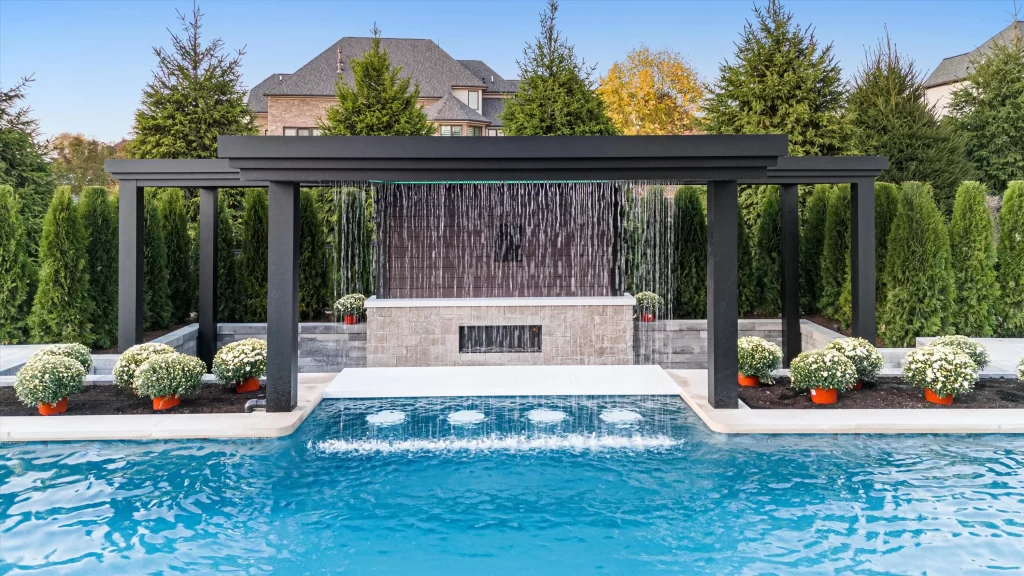
Pebble finishes use small, smooth stones embedded in a matrix to produce a textured, natural look. The surface is slip-resistant and durable, typically needing only occasional rinsing or light scrubbing. Pebble finishes age well and integrate naturally with landscaping.
3. Polished Plaster
Polished plaster delivers a seamless, refined surface available in many colors. It provides a silky underfoot feel but requires more regular cleaning and periodic resealing. For homeowners willing to maintain it, polished plaster delivers a contemporary aesthetic.
What Are the Key Types of Luxury Pool Finishes?
The main categories are tile, pebble, and plaster, each suited to different budgets, looks, and maintenance tolerance.
- Tile Finishes: Bold color and long life, especially glass tile.
- Pebble Finishes: Natural texture, strong durability, and traction.
- Polished Plaster: Smooth, modern look with higher upkeep.
Choose based on desired appearance, expected maintenance, and budget.
How Do Glass Mosaic Pool Tiles Enhance Pool Aesthetics?
Glass mosaic tiles amplify light and color for depth and movement in water. Their reflective quality makes colors richer and keeps the finish looking vibrant longer than many alternatives, provided routine cleaning and proper grout care.
What Are the Characteristics of Pebble Pool Finishes?
Pebble finishes emphasize texture, traction, and resilience. Constructed from small stones in a cementitious mix, they tolerate weather extremes and require minimal upkeep beyond periodic rinsing or light scrubbing, making them family-friendly and long-lasting.
How Do Plaster Pool Finish Types Compare for Durability and Style?
Plaster ranges from traditional textured plaster to polished variants. Polished plaster is smoother and more modern but demands more maintenance (cleaning and resealing). Traditional plaster is more forgiving but less refined in appearance. Both can be pigmented for custom color.
What Are the Different Plaster Pool Finish Options Available?
Common plaster types include:
- Standard Plaster: Cost-conscious, textured surface.
- Polished Plaster: Smooth, upscale finish with higher upkeep.
- Colored Plaster: Pigmented options for tailored pool color.
Selection depends on budget, look, and maintenance willingness.
How Does Plaster Maintenance Affect Longevity?
Plaster needs routine cleaning and scheduled sealant applications to resist chemical and environmental wear. Without consistent care, issues such as cracking, fading, or bond loss can develop. Monitoring water chemistry and substrate condition helps prolong life.
Swimming Pool Plaster Deterioration & Maintenance
Plaster deterioration is driven by interactions among four linked systems: (a) the pool water and its treatment chemicals, (b) the plaster surface itself, (c) the concrete or shotcrete substrate beneath the plaster, and (d) the environment where the pool sits and is used. Typical plaster problems include cracking, softening, and loss of bond between plaster and substrate.
Swimming Pool Plaster Deterioration – Overview & Case Studies
What Are the Costs and Value of Custom Pool Finishes?
Costs vary by material and installation complexity. Tile is typically at the high end (materials and labor), pebble is often more economical, and polished plaster sits between. Premium finishes can boost curb appeal and resale value; weigh upfront cost against expected durability and maintenance.
How Much Does a Pebble Pool Finish Cost in Michigan?
Pebble finishes in Michigan commonly range from $5 to $15 per square foot, depending on the pebble blend and site complexity. Pool size, chosen mix, and access/site conditions will affect the final price; consult a local contractor for a precise quote.
What Factors Influence the Price of Glass Tile and Plaster Finishes?
Key cost drivers include:
- Material Quality: Premium tiles and plasters cost more but last longer.
- Installation Complexity: Mosaics, curves, and large areas increase labor.
- Maintenance: Lower upfront cost can mean higher long-term upkeep.
Understanding these factors helps you budget for installation and ongoing care.
How Should Michigan Climate Influence Your Choice of Pool Finish?
Michigan’s freeze-thaw cycles, snow loads, and temperature swings favor finishes and installations that resist moisture intrusion and thermal stress. Pebble and well-installed tile finishes typically perform better in these conditions than polished plaster.
Why Is Durability Important for Pool Finishes in Michigan?
Durable finishes reduce repair frequency, resist cracking and staining, and preserve appearance under freezing temperatures and heavy snow. Choosing robust materials and experienced installers minimizes climate-related problems.
Which Luxury Pool Surface Options Best Withstand Michigan Weather?
Pebble and tile finishes generally offer the best resilience to Michigan weather, providing freeze-thaw resistance and lower year-to-year maintenance than polished plaster when properly installed.
Frequently Asked Questions
What are the maintenance requirements for tile pool finishes?
Tile (especially glass) is low-maintenance: routine gentle cleaning and periodic grout inspection. Repair loose tiles or grout promptly to prevent water intrusion and schedule occasional professional checks.
How do I choose the right pool finish for my style?
Match the finish to your overall outdoor design and maintenance tolerance: tile for color and pattern, pebble for natural texture and traction, or polished plaster for a sleek, modern look. Consult a design professional to visualize results.
Are there eco-friendly options for pool finishes?
Yes—options include recycled glass tiles and responsibly sourced natural stones. Choosing non-toxic sealants and eco-friendly cleaners reduces environmental impact; ask suppliers about sourcing and certifications.
What is the lifespan of different pool finishes?
Typical lifespans: well-installed tile (especially glass) can exceed 20 years; pebble commonly lasts 10–20 years; polished plaster often lasts about 5–10 years. Regular upkeep extends service life.
How do I prepare my pool for winter in Michigan?
Winterize by cleaning the pool, lowering water below the skimmer, adding winterizing chemicals, draining or protecting equipment per manufacturer guidance, and using a sturdy cover to protect the surface from snow and ice.
Can I change my pool finish later on?
Yes, but it’s a significant project: draining the pool, removing the existing surface, prepping the substrate, and installing the new finish. Costs and timelines vary—consult a professional for feasibility and estimates.
Conclusion
Choosing between tile, pebble, and polished plaster means balancing appearance, durability, and upkeep—especially in Michigan’s climate. Pebble and quality tile often provide better long-term resilience in freeze-thaw conditions, while polished plaster rewards careful maintenance with a refined look. Use this guide and consult local experts like Tango Pools to select the finish that fits your style and stands up to seasonal demands.