
Pool Safety, Fencing & Childproofing Best Practices
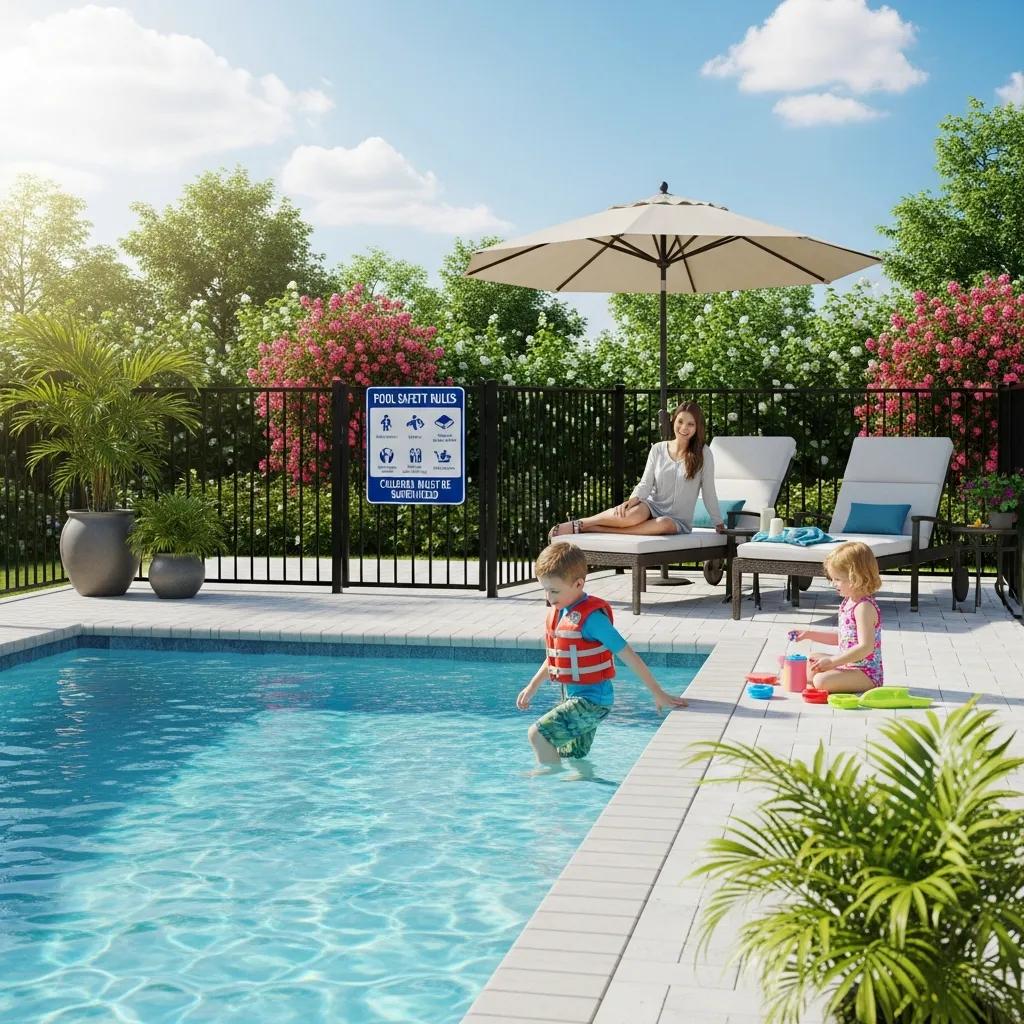
Michigan Pool Safety: Fencing & Childproofing Best Practices for Homeowners
Keeping your pool secure is a top priority for Michigan homeowners. This guide summarizes state fence requirements, explains why barriers matter, and lists practical childproofing steps—fencing, self-closing gates, covers, and alarms—to reduce drowning risk and help you meet local rules.
Key Takeaways
- Michigan requires residential pool fences at least 48 inches tall.
- Non-compliance can lead to fines and legal exposure after an incident.
- Effective fence types include mesh, aluminum, and wood.
- Use self-closing, self-latching gates to prevent unsupervised entry.
- Automatic covers and alarms add important safety layers.
- Certified covers also save energy and reduce evaporation.
- Combine alarms with fencing and covers for a layered defense.
- Regular inspections keep safety systems reliable.
- Professional consultations (for example, Tango Pools) simplify compliance and installation.
What Are Michigan's Pool Safety Regulations and Fence Requirements?
Michigan requires enclosures and safety hardware to limit unauthorized access to residential pools. Homeowners must surround pools with a fence at least 48 inches high and fit gates with self-closing, self-latching hardware. These measures reduce accidental drownings and help meet local safety standards.
Evidence shows that well-designed pool barriers are one of the most effective ways to reduce drowning risk for young children.
Pool Fencing: Essential for Preventing Child Drowning
Drowning ranks among the leading causes of unintentional injury deaths for children under 15 in many industrialized countries, with the highest death rates in children under five. Pool fencing is a passive, environmental intervention intended to limit unsupervised access to pools and reduce drowning among preschool-age children. Given the scale of the problem and the potential effectiveness of fencing, it is important to evaluate fencing as a prevention strategy for young children.
Pool fencing for preventing drowning of children, 1996
For tailored advice on compliance and safety upgrades, Tango Pools offers expert consultations to help homeowners implement the right solutions.
How High Should a Pool Fence Be According to Michigan Law?
State rules set a minimum fence height of 48 inches to deter climbing and accidental access. Install fences with no large gaps, avoid footholds, and position panels to prevent children from squeezing through; meeting these rules supports both safety and code compliance.
What Are the Legal Penalties for Non-Compliance with Pool Safety Codes?
Failing to follow pool safety codes can lead to fines and increased legal liability after an accident. Insurance claims may be affected if the pool area was noncompliant. Treat safety requirements as essential to reduce financial and legal risk.
Which Types of Childproof Pool Fencing and Safety Gates Are Most Effective?
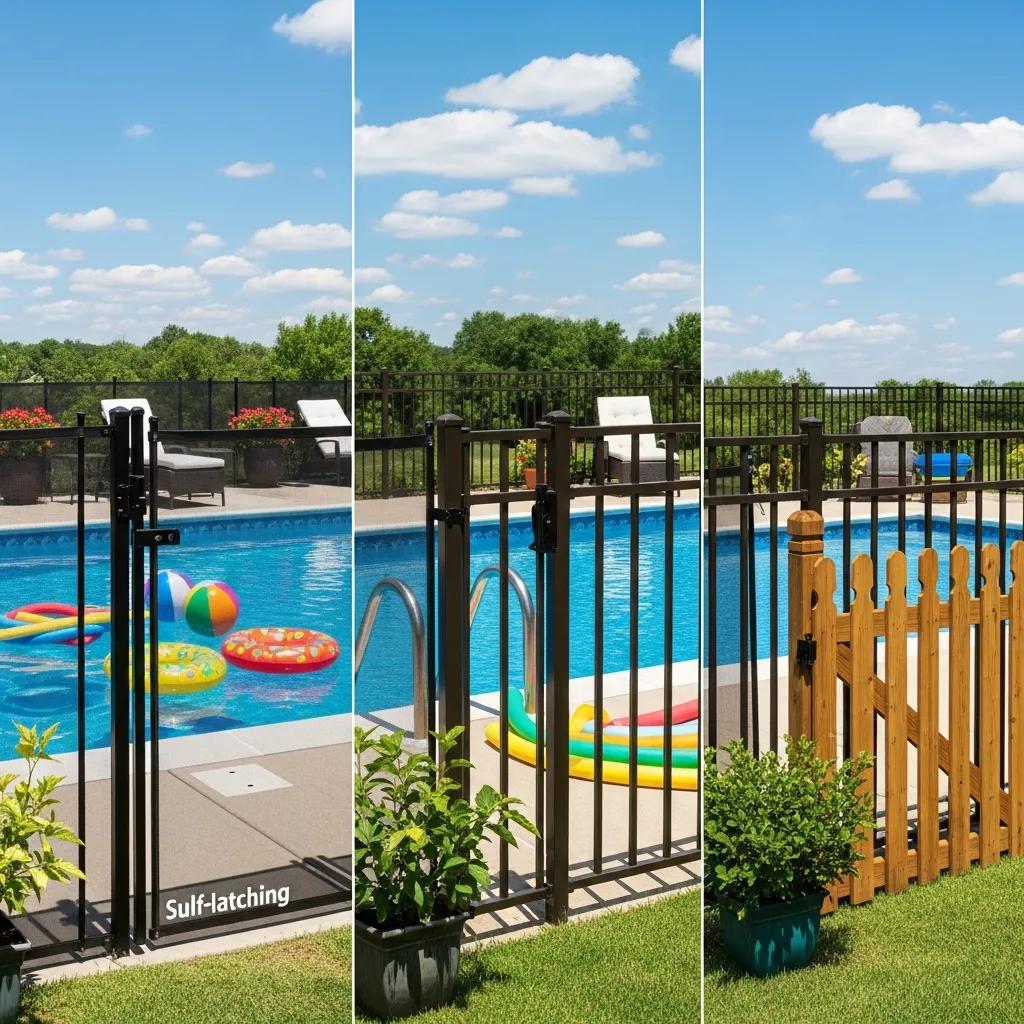
Choosing the right fence and gate matters. Common effective options include:
- Mesh fencing: Removable panels that offer visibility and a tight barrier when installed correctly.
- Aluminum fencing: Durable, low-maintenance, and rust-resistant—popular for safety and curb appeal.
- Wooden fencing: Sturdy and attractive when well-built; requires upkeep to prevent gaps or rot.
Always pair fences with self-closing, self-latching gates to reduce accidental entry.
What Materials Are Recommended for Durable and Safe Pool Fencing?
Material choice affects longevity and safety. Recommended options:
- Vinyl: Weather-resistant and low-maintenance.
- Aluminum: Strong, lightweight, and rust-resistant.
- Composite materials: Wood-like appearance with better resistance to rot and insects.
Choosing quality materials helps ensure the fence remains an effective barrier for years.
How Do Self-Closing and Locking Pool Gates Enhance Childproofing?
Self-closing, self-latching gates reduce the chance a gate is accidentally left open. Their automatic action and a reliable lock together require adult intervention to enter, significantly lowering unsupervised access risk.
How Do Automatic Pool Covers and Safety Alarms Improve Outdoor Pool Safety?
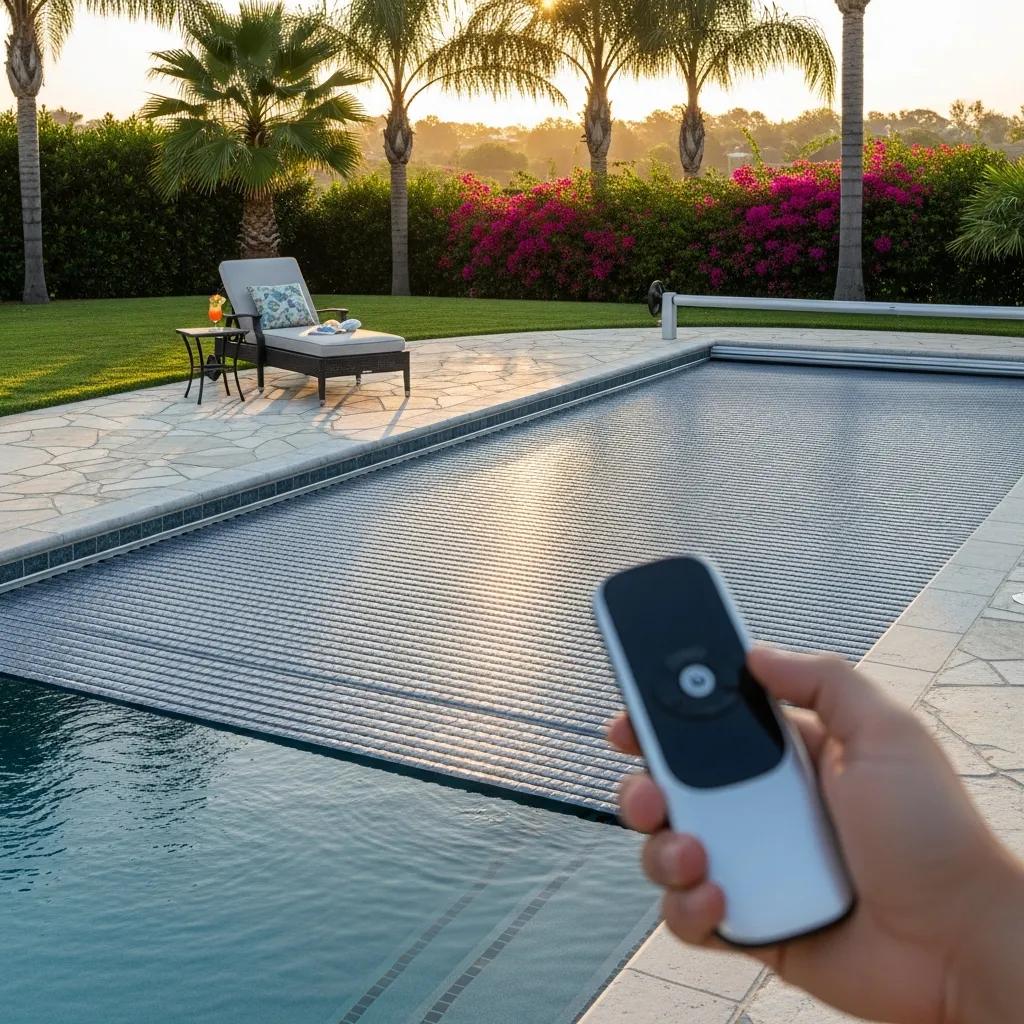
Automatic covers and alarms add practical protection when used correctly.
Features and Effectiveness
Automatic covers create a solid surface over the water when closed, preventing falls and keeping debris out. Many operate with a switch for quick use. Pool alarms detect water or perimeter disturbances and alert homeowners to potential entry.
Recommended Usage
For best results, combine covers and alarms with secure fencing. Test systems regularly and ensure household members know how to operate and respond to alarms and covers.
What Are the Benefits of Certified Automatic Pool Covers?
Certified automatic covers offer several advantages:
- Barrier protection: A certified cover prevents access when closed.
- Ease of use: Most models operate by button or switch.
- Energy efficiency: Covers retain heat and reduce evaporation, lowering heating and maintenance costs.
These features make certified covers a strong safety and value choice for many homeowners.
How Do Pool Alarm Systems Integrate with Childproofing Measures?
Alarms work best as part of a layered plan. When paired with fencing, locking gates, and covers, alarms provide immediate alerts if someone enters the pool area or water, adding redundancy that helps protect families even if another component fails.
What Are Best Practices for Inspection, Maintenance, and Consultation on Pool Safety?
Keep systems reliable with regular attention. Best practices include:
- Routine inspections: Check fences, gates, latches, and alarms for wear or damage.
- Maintenance checklists: Seasonal tasks for cleaning, lubricating hardware, and replacing worn parts.
- Expert consultation: Work with qualified professionals—such as Tango Pools—for recommendations, installations, and code confirmation.
How Often Should Pool Safety Features Be Inspected and Maintained?
Inspect safety features at least twice a year—before and after the swimming season. Increase checks after heavy use or severe weather to catch problems early.
How Can Homeowners Obtain Expert Consultation and Custom Safety Solutions in Oakland County?
Homeowners in Oakland County can get personalized guidance from Tango Pools. They help property owners meet regulations and select/install the right safety features. For questions or to schedule a consultation, call (248) 550-0386.
Frequently Asked Questions
What are the most common causes of pool-related accidents in Michigan?
Accidents usually result from lack of supervision, inadequate barriers, or missing safety devices. Slips near the pool and unattended children are common contributors. A layered approach—fence, gate, cover, alarm, and active supervision—reduces risk.
Are there any specific safety regulations for above-ground pools in Michigan?
Yes. Above-ground pools are generally subject to the same enclosure rules, including the 48-inch minimum. Secure or remove ladders when the pool is not in use, and check local ordinances for any additional requirements.
How can I educate my children about pool safety?
Teach simple, consistent rules: never swim alone, always ask an adult before going near the pool, and obey posted signs. Age-appropriate lessons and supervised practice reinforce safe habits.
What should I do if I notice a safety issue with my pool fencing?
If you see damage, secure the area, lock the gate, and keep children away. Determine whether the issue can be repaired quickly or needs replacement, and contact a qualified professional like Tango Pools for a code-compliant fix.
How can I ensure my pool alarm system is functioning properly?
Follow the manufacturer’s testing schedule: check batteries, test the alarm, and keep sensors clean and unobstructed. Run routine tests and train household members on how to respond to alerts.
What are the benefits of hiring a professional for pool safety consultation?
A professional brings current knowledge of local rules, installation experience, and tailored recommendations. They can inspect your setup, suggest effective measures, handle installations, and help with ongoing maintenance.
Conclusion
Reducing pool risk requires planning, proper equipment, and regular upkeep. Follow Michigan’s fencing and safety guidelines, use proven products, and schedule inspections or professional consultations to improve safety. Contact experts like Tango Pools for customized solutions and peace of mind.